Indonesia is one of the world's leading exporters of high-grade coconut copra, supplying both edible white copra and milling grade copra for crude coconut oil (CNO) extraction. However, navigating cross-border customs regulations and phytosanitary controls requires precise documentation.
For international buyers and trading houses, understanding the exact Harmonized System (HS) classifications and mandatory export clearance certificates is vital to avoid port delays, quarantine holds, or unexpected demurrage charges.
1. International HS Codes for Copra Products
Accurate HS code classification determines import tariff rates, preferential duty eligibility under trade agreements, and customs clearance procedures:
| Product Classification | HS Code (6-Digit Global) | Indonesian Export Code | Key Characteristics |
|---|---|---|---|
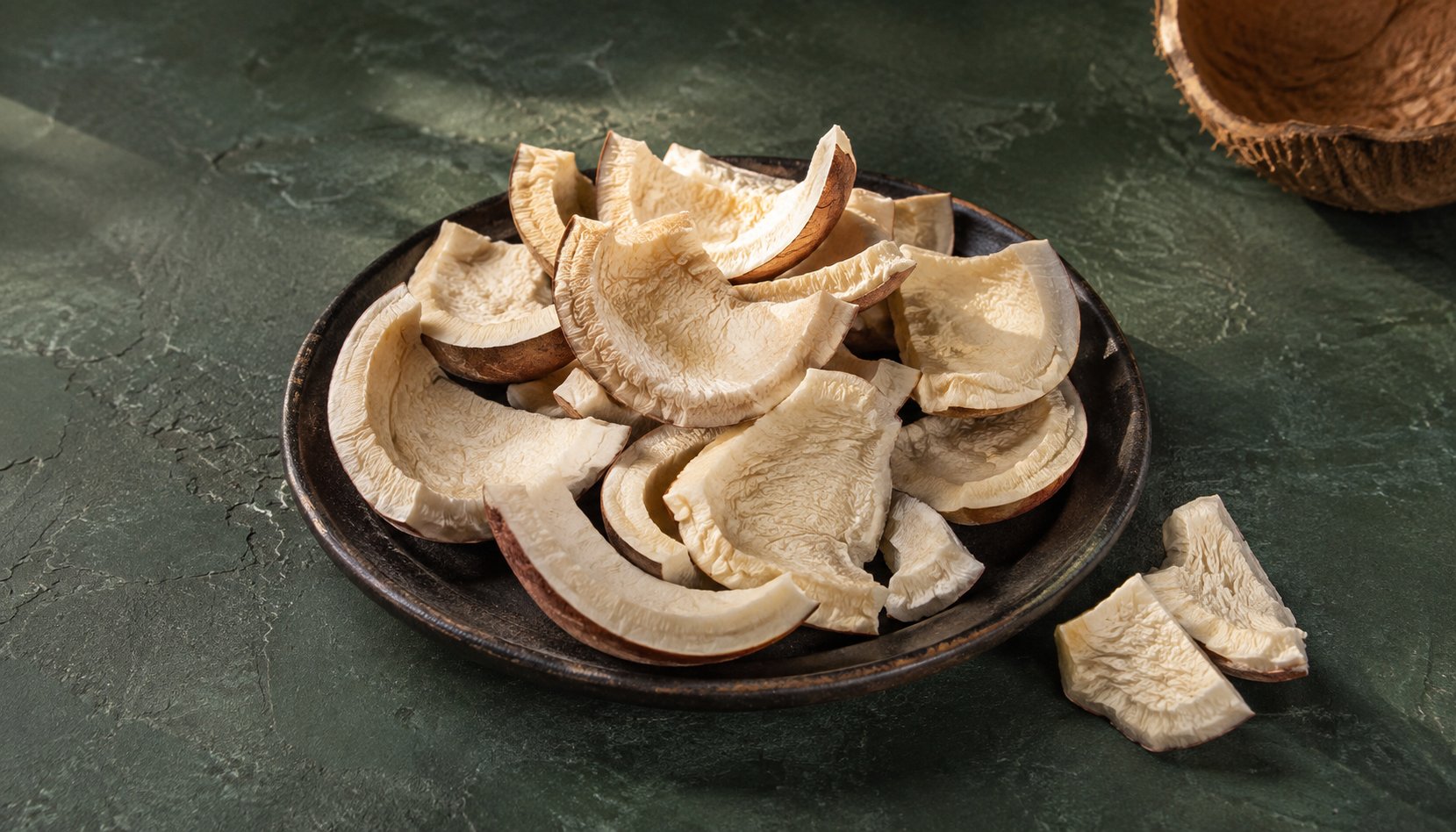
| Dried Coconut Copra | 1203.00 | 1203.00.00 | Whole or broken sun-dried / oven-dried coconut kernels |
| Crude Coconut Oil (CNO) | 1513.11 | 1513.11.00 | Unrefined oil extracted from milling grade copra |
| Copra Meal / Cake | 2306.50 | 2306.50.00 | Animal feed residue from coconut oil extraction |
2. Core Export Documents Required for Importing Copra
Every shipment dispatched from COVARA loading ports (Panjang Port, Tanjung Priok, or Tanjung Perak) is accompanied by the following mandatory statutory documents:
- Commercial Invoice & Packing List (CI/PL): Specifies gross/net weight per bag, container numbers, seal numbers, batch numbers, moisture range, and agreed Incoterms (FOB, CFR, or CIF).
- Bill of Lading (Ocean B/L): Issued by international shipping lines (e.g., Maersk, CMA CGM, ONE Line). Confirms cargo loading onboard and acts as the legal document of title for port release.
- Phytosanitary Certificate (Plant Quarantine Inspection): Crucial for agricultural imports. Issued by the Indonesian Agricultural Quarantine Agency (Badan Karantina Indonesia) certifying that the copra has been inspected and is free from quarantine pests, noxious weeds, and diseases.
- Fumigation Certificate: Issued by licensed pest management authorities prior to container sealing (using Methyl Bromide or Phosphine treatment). Ensures elimination of beetles, weevils, or larvae during maritime transit.
- Certificate of Origin (COO / e-SKA): Issued by the Ministry of Trade of Indonesia. Enables preferential zero-tariff or reduced import duties depending on destination (Form D for ASEAN, Form AK for South Korea, Form AJ for Japan, or Form A / Non-Preferential for Europe & the Americas).
- Certificate of Analysis (COA): Independent laboratory test report (e.g., Sucofindo, SGS, or Carsurin) verifying moisture content (max 5–6% for white copra, max 6–8% for milling), Free Fatty Acid (FFA < 0.5%–3%), and minimum oil yield (>62–66%).
Key Regulatory Takeaway
Agricultural Compliance: Never bypass Phytosanitary and Fumigation verification when ordering copra. Destination customs authorities strictly penalize or reject organic cargo arriving without valid quarantine certificates.
3. Shipping Terms & Container Packaging Standards
Indonesian copra is packed to safeguard moisture levels and prevent mold growth during long sea voyages:
- Packaging: 50 kg breathable gunny/jute bags or ventilated PP woven sacks.
- 20ft FCL Container: Estimated payload 12–14 MT.
- 40ft HC Container: Estimated payload 24–26 MT.
- Preservation: High ventilation containers or silica gel desiccant packs are deployed to mitigate condensation moisture during tropical-to-temperate climate transitions.
Sourcing Premium Indonesian Copra with Full Compliance
COVARA streamlines the entire export chain — from farm-gate sourcing in Sumatra, Sulawesi, and Java to laboratory analysis and terminal container loading.
Explore Indonesian Dried Coconut Copra Specifications & Pricing